The Largest Online Community for Contact Centre Professionals


The Largest Online Community for Contact Centre Professionals
 Close
Close



Published On: 16th Dec 2025 09:30
Vonage explores how a consistent business caller ID can strengthen brand trust, improve customer engagement, and ensure every call your team makes reflects a unified, professional identity, no matter where or how it’s placed.
Consistent caller ID helps every customer recognize and trust your business, no matter who makes the call or what device they use.
By keeping your company identity unified across mobile, desktop, and desk phones, you build credibility, protect your brand, and make every interaction count.
Every phone call your team makes is an opportunity to reinforce your brand. When a customer sees your company name on their screen, it creates instant recognition and trust. When they see only an unfamiliar number, that connection is lost before the call even begins.
As more teams work remotely and communicate across multiple devices, keeping that trust consistent becomes harder.
A unified business caller ID ensures customers always recognize who is reaching out, whether the call comes from a desk phone, mobile device, or desktop app.
In a world full of unknown numbers and spam calls, a consistent identity is a signal of credibility. It shows customers that your business is legitimate, professional, and ready to serve them, no matter who makes the call or where it comes from.
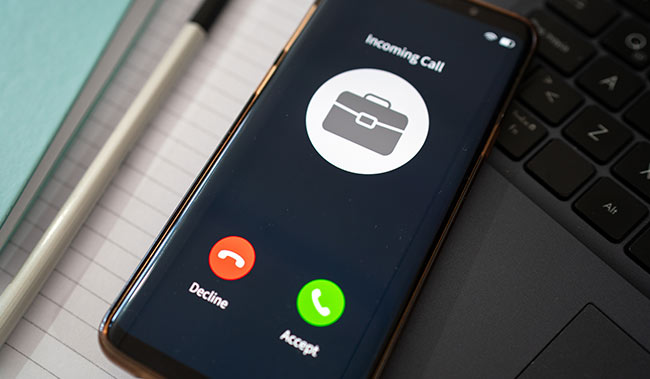
Business caller ID allows your company name to appear on a customer’s phone instead of only a number. In some cases, it can even show a logo or reason for the call.
This small detail makes a big difference in how customers perceive and respond to your calls. It helps people recognize who is reaching out, builds trust, and increases the chance they will pick up.
Business caller ID typically works in two main ways. The first is CNAM, or Caller Name Delivery. This method associates your business name with a phone number in a national database that carriers use to display the caller’s identity.
The second is branded calling, which provides an enhanced display on mobile devices and can include your logo or the reason for the call.
For businesses that rely on customer outreach, such as sales, service, or support, caller ID consistency plays a key role in maintaining credibility.
In today’s world of frequent spam and robocalls, a recognizable and accurate caller ID helps your company stand apart as legitimate, trustworthy, and professional.
When employees use personal phones or inconsistent numbers, customers lose confidence in the communication. Unknown numbers often go unanswered, which can lead to missed opportunities and slower response times.
Inconsistent caller ID also causes confusion within your customer base. A lack of standardized outbound numbers makes it difficult for customers to verify who is calling, which can damage credibility and create a fragmented brand image.
For hybrid and remote teams, inconsistent caller identity also creates operational challenges. Without centralized management, IT administrators struggle to monitor numbers, enforce privacy standards, and maintain a unified brand presence across devices.
By managing caller ID settings centrally, your business ensures every outbound call reflects the same identity. This gives customers clarity, prevents brand dilution, and maintains control over how your company appears in every interaction.
When your business makes a call, the recipient’s carrier typically uses Caller Name Delivery to match your phone number with your company name stored in a national database. This ensures that the correct name appears on the customer’s screen.
Branded calling takes this concept further. It enhances the display on mobile devices by showing your logo, business name, and even a short call reason, helping customers identify legitimate calls more easily.
To maintain consistency across multiple users and devices, many organizations use unified communications platforms that manage caller ID centrally.
These systems ensure every outbound call, whether from a desk phone, laptop, or mobile app, shows the same verified business identity.
Some platforms allow administrators to customize business caller ID information by department, extension, or user, while still maintaining a unified overall brand identity. This flexibility helps businesses create a consistent customer experience without adding complexity to daily operations.
Maintaining a consistent caller ID does more than display your business name. It helps customers trust your calls, improves their experience, and strengthens brand recognition with every interaction.
Customers are far more likely to answer calls when they see a name they recognize. A consistent caller ID reduces hesitation, lowers call screening, and positions your business as professional and reliable.
With remote and hybrid work, employees often use different devices throughout the day. A centralized caller ID system ensures customers always see the same trusted name and number, creating a seamless and recognizable experience across all touchpoints.
A familiar name on the screen helps customers feel comfortable answering. It eliminates confusion and distinguishes legitimate calls from spam or robocalls, building confidence with every conversation.
Centralized caller ID management also prevents employees from using personal numbers for work, protecting privacy and ensuring compliance with internal communication standards.
Setting up a consistent business caller ID does not have to be complicated. With the right tools and a few best practices, you can make sure every outbound call from your organization displays the same professional identity.
Most business phone systems, including cloud-based and VoIP services, let administrators configure caller ID settings from an online dashboard.
Review your provider’s caller ID options to confirm whether you can manage names and numbers at the company or user level.
Make sure your business name is correctly listed in the national CNAM database. This step allows carriers to display your company name when customers receive your call. If your system includes branded calling, you may also be able to register your logo and call reason for a richer display on mobile devices.
Decide whether all departments will share one company-wide number or use unique numbers for specific teams. Keeping the same name or naming format across all departments reinforces brand consistency and avoids confusion.
After setup, test your caller ID display by calling mobile phones and landlines. Check that your company name appears correctly and make any updates if information is missing or outdated.
Educate employees about using their assigned business numbers across devices. Encourage remote and mobile workers to make calls through your organization’s unified communications apps instead of personal devices. This small step helps preserve brand professionalism.
Business caller ID is not just a customer-facing feature. It is also a powerful brand control tool for business leaders. Every outbound call represents your organization, and a consistent identity ensures that representation stays professional, secure, and aligned with your brand values.
For companies with remote or distributed teams, centralized caller ID management helps maintain consistent communication standards.
It allows administrators to set company-wide rules for outbound identity, protecting both the business and employees from confusion or exposure of personal information.
A unified business caller ID strategy also supports compliance and professionalism. When every team member uses the same verified identity, it prevents mistakes, safeguards sensitive contact data, and reinforces a single brand image across all customer interactions.
A strong business caller ID strategy helps your brand appear professional and trustworthy while reducing confusion for customers. Following a few best practices can help ensure your information is always accurate and effective.
Most caller ID systems display around 15 characters, so choose a concise version of your company name that customers will immediately recognize. Avoid generic labels like “Sales” or “Support” that do not identify your brand.
Display the legal or commonly recognized name of your business. Customers are more likely to answer when they see a name they know rather than an abbreviation or unfamiliar term.
Regularly review your caller ID details to confirm they are correct in your provider’s system and in the national CNAM database. Outdated or incorrect listings can create confusion and reduce answer rates.
If your organization uses different numbers for departments or offices, make sure the format of each name display follows a consistent style. For example, “ABC Sales” and “ABC Support” help reinforce a single, unified brand.
Make occasional test calls to mobile phones and landlines to confirm your information appears correctly. This simple step ensures that customers always see the right name and identity when your business calls.
Regularly check how your number appears on mobile devices and call-screening apps. Keeping your caller information accurate and verified helps prevent your business number from being mistakenly flagged as spam. This simple step can improve answer rates and preserve your brand’s reputation.
Following these practices will help your organization maintain a polished and professional image across every customer interaction.
As technology evolves, business caller ID is becoming more than just a way to display a phone number. Businesses are beginning to see it as a key part of brand identity and customer experience.
The next generation of caller ID will focus on helping companies present a verified, consistent image across all channels and devices.
Branded calling is one of the biggest advancements in this space. It allows businesses to display not only a name, but also a logo and even the reason for the call on a recipient’s mobile device.
This extra layer of transparency helps customers trust the interaction and makes it easier for them to distinguish genuine business calls from spam.
At the same time, unified communications systems make it easier for organizations to manage caller identity across all forms of communication, including voice, video, and messaging. Centralized control of caller information ensures consistency for both remote and in-office teams.
A consistent business caller ID is more than a feature. It is an essential part of how customers recognize, trust, and engage with your brand.
When every call shows the same professional name and number, it creates a seamless experience that reinforces who you are and what you stand for.
Unified communications systems make this consistency easy to achieve, giving organizations the ability to manage caller identity across every device, and keeping brand presentation aligned while empowering employees to work from anywhere.
The future of caller ID is about more than technology. It’s about creating a complete, authentic brand experience that builds confidence with every call.
This post has been re-published by kind permission of Vonage - view the original article.
Vonage is redefining business communications, helping enterprises use fully-integrated unified communications, contact centre and programmable communications solutions via APIs.
Find out more about VonageReviewed by: Megan Jones


The Latest Customer Contact Research, Reports and White Papers straight to your inbox!
Get the latest insights from Call Centre Helper by signing up for our email content.
Close


14th October 2026
18th October 2026


