The Largest Online Community for Contact Centre Professionals


The Largest Online Community for Contact Centre Professionals
 Close
Close


Published On: 1st Jul 2026 08:00 - Modified: 8th Sep 2026
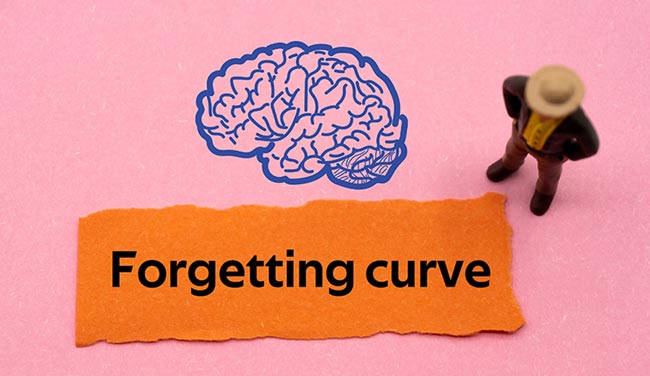
Even the best-trained agents can forget critical processes over time – a phenomenon often called the ‘Forgetting Curve’.
So how can you help agents retain knowledge and maintain high performance long after initial training?
We spoke to industry experts to find out the very best tactics to help agents stay confident, capable, and ready for whatever comes their way.
Helping agents retain knowledge is all about creating space for collaboration and ownership.

“I really like agent-led team meetings, where they are encouraged to bring up topics that they are confused about and then engage in peer-to-peer follow-up about “this is what I do…”
By creating a regular opportunity to talk in a safe space, people seem to remember those lessons a whole lot more.” – Pier Ragone, Principal Consultant, CX Operations & Strategy
This informal, discussion-based learning empowers agents to ask for help when they feel they need it, and ensures that learning needs are spotted early, discussed openly, and addressed before they become performance issues.
For some of the best actionable strategies out there to help you create a collaborative contact centre, read our article: Want to Foster Knowledge Sharing Between Your Agents?
Another key to lasting learning is emotional connection, as real customer stories can be far more memorable than abstract policies or data.
“Tie processes – like handling complaints – back to real customer stories. Emotion makes the learning stick.” – Brittany Hodak, Keynote Speaker & Author of Creating Superfans
By connecting training topics to authentic examples, contact centres can help agents feel the impact of their work – whether that’s the frustration of an unresolved issue or the satisfaction of turning a difficult situation around.
These stories make the lessons personal and relevant, helping agents recall the right behaviours when it matters most.
Repetition is vital, but it can be hard to make sure everyone is hearing the same messages and benefiting from the same reinforcement at the same time.
This is where taking agents off the phones for a day (at a few key times across the year) can really help to close some gaps.

“We hold quarterly events where it’s compulsory for agents to come on-site and spend time off the phones.
These sessions bring everyone together for updates, learning, and peer-to-peer sharing – ensuring that important messages are reinforced consistently across the operation.” – Naomi Smith, Contact Centre Manager at Worcester Bosch
Be mindful, however, that large, one-size-fits-all refresher sessions may not always be relevant to everyone, and if agents are sitting there thinking “I already know all this”, it can be demotivating.
So, choose your agenda wisely, and even spend some extra time explaining the importance of reinforcement to your most experienced agents (even if they think they don’t need it!).
Between these larger quarterly events, also make sure that learning continues on a smaller scale – with optional one-hour learning sessions.
For example, if an agent knows that they need a little bit of help with something, they can sign up for a quick refresh in a particular call type or product area.
This layered approach helps agents top up their knowledge when they need it, rather than waiting and struggling until the next big training event.
For tips and advice on making every coaching session count, read our article: How to Make the Best Use of Coaching Time
To keep knowledge fresh between meetings, why not also try introducing Wisdom Wednesdays to share bite-sized tips across Teams or Slack.
All it needs to be is a quick ‘hey, did you know?’ moment, but committing to this every Wednesday is just another way to keep knowledge fresh in a fast-paced job.
After all, when you can take any opportunity to keep learning visible and easy to digest, this keeps engagement high.
Helping agents retain knowledge isn’t just about training and coaching – it’s about celebrating success when the right behaviours are consistently applied.

“Celebrate consistency! When an agent nails the process – even six months later – spotlight it.
Recognition not only reinforces the right behaviour but also signals to everyone else that the steps aren’t optional; they’re essential.” – Brittany Hodak, Keynote Speaker & Author of Creating Superfans
By recognizing agents who apply processes correctly, contact centres reinforce the desired behaviours and show that these steps aren’t just theoretical. Recognition turns learning into a visible, tangible standard for everyone on the team.
This strategy ensures that key processes remain top of mind, even months after initial training, helping agents consistently deliver high-quality customer experiences.
In other words, recognition doesn’t just motivate – it acts as a subtle, ongoing refresher that combats the forgetting curve.
And last but not least, continuously monitor and stay reactive to emerging trends and knowledge gaps!
After all, while much of a learning strategy is proactive, it’s so important to react quickly too! All to make sure that if a recurring issue is being flagged by the QA team, you can quickly implement a top-up session to get everyone back on track!
Taken together, these strategies show that the forgetting curve isn’t an inevitability – it’s a challenge that can be managed with thoughtful, ongoing interventions.
By combining structured refreshers, peer support, emotional engagement, and recognition, contact centre leaders can ensure that agents not only retain knowledge but apply it consistently, delivering better experiences for customers every time.
Click here to join our NEW Readers Panel to share your experiences and feature in future Call Centre Helper articles.
With thanks to the following people for sharing their thoughts for this article:
For more information to help you develop your contact centre agents, read these articles next:

Megan Jones, Editor, Call Centre Helper
Megan interviews inspiring people across the contact centre industry to capture these amazing voices and turn them into best practice articles – covering all elements of what it takes to deliver truly outstanding employee and customer experiences.
Connect with Megan on LinkedIn
Read more by Megan JonesReviewed by: Xander Freeman

The Latest Customer Contact Research, Reports and White Papers straight to your inbox!
Get the latest insights from Call Centre Helper by signing up for our email content.
Close


26th October 2026
27th October 2026
The Intelligence Gap Shaping the Future of Customer Automation – Webinar


